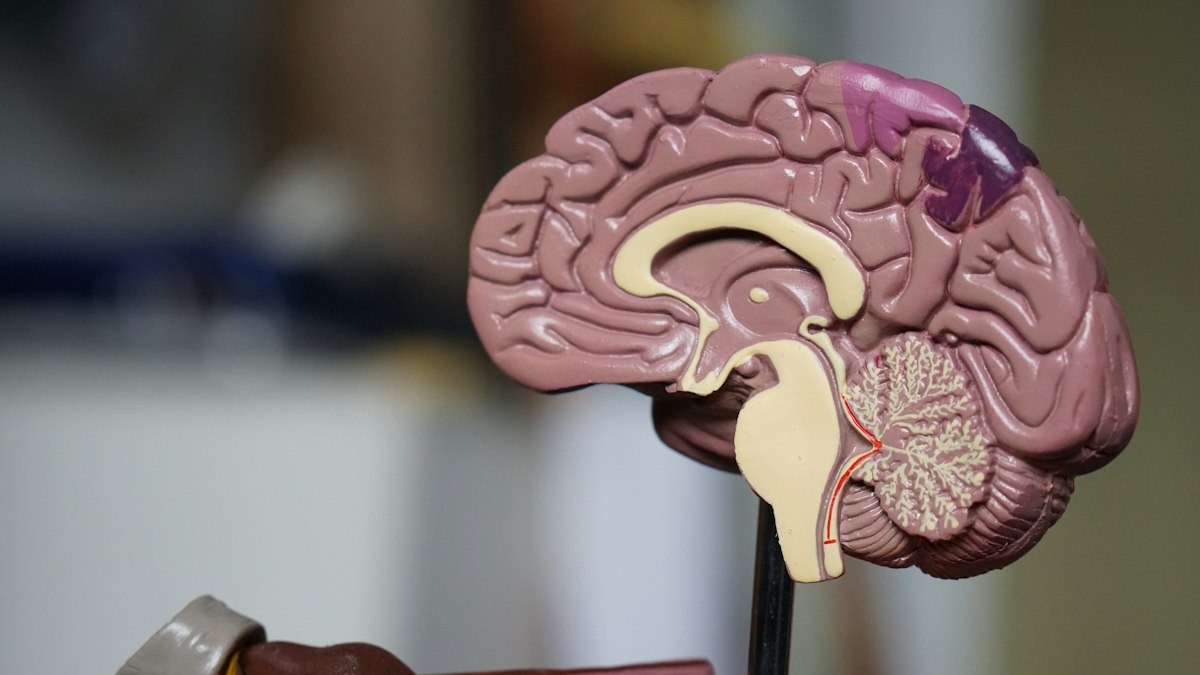
The number on the scale gets the attention. The quieter change is happening one cell at a time.
Ask someone a month into a GLP-1 protocol what changed first, and they rarely mention their weight. They mention the afternoon crash that stopped coming. The 3pm reach for sugar that quietly disappeared. The lab result that moved in the right direction before the mirror did.
That gap between what the scale shows and what the bloodwork shows is the whole story of this article. The most interesting thing GLP-1 medicines do happens inside your cells, at the exact doorway where sugar is supposed to enter — and in insulin resistance, no longer does.
"My blood sugar settled down weeks before my clothes did. My doctor said the inside was healing faster than the outside."
First, What Insulin Resistance Actually Is
Insulin is a key. Every meal, your pancreas releases it, and it travels to muscle, fat, and liver cells asking them to open their doors and take glucose out of the blood. In a healthy body, the door swings open easily. Sugar leaves the bloodstream, energy arrives in the cell, and everyone is calm.
In insulin resistance, the lock is gummed up. The key turns, but the door barely moves. So the pancreas does the only thing it knows how to do — it makes more keys. Blood insulin climbs, blood sugar stays stubbornly high, and the cell sits in a strange state of being surrounded by fuel it cannot let in.
This condition is not rare. It sits underneath type 2 diabetes, metabolic syndrome, PCOS, fatty liver, and much of cardiovascular disease — and by current estimates it touches close to 40% of American adults. Many of them do not know it, because for years the only symptom is a body working twice as hard to keep blood sugar looking normal.
Inside the Cell: The Door That Stopped Opening
To understand what the medicine fixes, you have to follow insulin the moment it lands on a cell. It binds to a receptor on the surface. That triggers a relay called the PI3K–Akt pathway — a chain of chemical hand-offs inside the cell. The final step sends a fleet of glucose transporters, called GLUT4, up from deep inside the cell to the surface, where they open channels for sugar to flow in.
When someone is insulin resistant, that relay is jammed at several points at once. Extra fat inside muscle and liver cells produces toxic byproducts that physically interfere with the signal. Chronic low-grade inflammation tags the relay proteins in the wrong places and shuts the message down. The key turns, but GLUT4 never gets the order to move. The doors stay shut.
"Insulin resistance is not really a sugar problem. It is a fat and inflammation problem, and the sugar is what shows up on the lab report."
Where GLP-1 Intervenes in the Insulin Signal
Relative signal strength (100 = full healthy signal) at each step of the cascade
- Healthy
- Insulin Resistant
- On GLP-1
Illustrative model based on PI3K/Akt/GLUT4 signaling research and GLP-1 receptor agonist literature.
What GLP-1 Does That Older Drugs Did Not
GLP-1 receptor agonists do improve insulin sensitivity through weight loss, as expected. But a series of clamp studies and controlled trials found that some of the benefit shows up before any real weight is lost — which points to effects independent of the scale.
A landmark study on liraglutide found measurable improvement in insulin sensitivity after just two weeks, well before weight loss could explain it. A matched group losing the same amount through diet alone did not get the same improvement on every measure.
The mechanisms stack together: GLP-1 triggers insulin release only when blood sugar is actually high (sparing the pancreas from overwork), suppresses glucagon, slows gastric emptying so glucose enters in a gentle wave rather than a spike, and through activation of AMPK appears to nudge glucose delivery into muscle directly.
Timeline of Change: What Improves, and When
% of eventual effect reached — insulin sensitivity moves early, weight follows, HbA1c settles last
- Insulin Sensitivity
- Weight Loss
- HbA1c Improvement
Composite timeline from GLP-1 clinical literature. Values are directional and illustrative, not from a single trial.
The Numbers That Matter to Your Bloodwork
The clinical measure most doctors watch is HOMA-IR — a score built from fasting glucose and fasting insulin. Lower is better. Across trials, semaglutide and tirzepatide have cut HOMA-IR by roughly 40–60% over 12–16 weeks. HbA1c typically falls by 1.5–1.8 percentage points in people with diabetes.
The honest summary is that GLP-1 improves insulin sensitivity through a partnership of weight loss and direct cellular effects, and the balance shifts from person to person.
HOMA-IR Reduction Across GLP-1 Agents
Approximate improvement in insulin resistance score over 12–16 weeks
Ranges compiled from clinical reviews. Individual results vary with baseline resistance, weight change, and duration.
Why Visceral Fat Is the Hidden Lever
Not all fat is equal when it comes to insulin. The fat wrapped around your organs — visceral fat — is metabolically loud. It pumps out inflammatory signals and floods nearby tissue with fatty acids, both of which jam the insulin relay. It is, in a real sense, the source of much of the resistance.
GLP-1 medicines appear to strip this fat preferentially. Body composition studies using DEXA and MRI in the STEP trials found visceral fat dropping by roughly 30–40% — a larger share than subcutaneous fat. Because visceral fat is most tightly linked to resistance, losing it first amplifies the metabolic payoff of every pound lost.
Where the Fat Comes Off Matters
GLP-1 therapy preferentially reduces the visceral fat most tied to insulin resistance
- Visceral fat
- Subcut. fat
- Lean preserved
- Other
GLP-1 therapy targets visceral fat (38% of total change) — the metabolically active fat that drives insulin resistance — ahead of subcutaneous fat.
This preferential loss is why metabolic markers often improve faster than the scale would suggest.
Based on DEXA and MRI body composition findings from semaglutide trials. Directional representation.
The Dose-Response Question
Early trials tested a range of doses and found that even lower amounts produced blood sugar improvements. Because GLP-1's effect on insulin secretion is glucose-dependent — meaning it only acts when sugar is high — partial receptor activation can still nudge sensitivity in the right direction while keeping side effects mild.
A real-world dataset of roughly 2,700 people presented at a 2025 obesity congress reported an average 16% weight loss over 64 weeks at microdose levels of semaglutide. That said, the strongest evidence for insulin sensitivity remains at standard studied doses, and any low-dose approach belongs under medical supervision.
| What Changes | Typical Shift on GLP-1 | Main Driver |
|---|---|---|
| HOMA-IR score | Down 40–60% | Weight + direct |
| HbA1c (diabetes) | Down 1.5–1.8 pts | Weight + glucagon |
| Fasting insulin | Down within 8–12 wks | Direct + weight |
| Visceral fat | Down 30–40% | Appetite / calories |
| Early sensitivity | Improves by ~2 wks | Weight independent |
What This Means for a Real Body
Strip away the pathways and the trial names, and the practical picture is simple. GLP-1 therapy helps a resistant cell hear insulin again. It does that partly by shrinking the visceral fat that was shouting over the signal, partly by calming the inflammation that jammed it, and partly through effects that seem to reach the cell directly.
Muscle is one of the largest sinks for glucose in the body, and the GLUT4 transporters there respond powerfully to resistance training — a lever the medicine does not fully replicate. The trials that produced these numbers were run alongside nutrition and activity guidance. The medicine reopens the door. What you carry through it is still up to the life around the prescription.
"The scale is the story people tell. Insulin sensitivity is the story their cells are living."
Frequently Asked Questions
This article is educational and is not medical advice. GLP-1 medicines are prescription treatments. Talk with a licensed clinician before starting, changing, or stopping any protocol. Figures are drawn from published trials and reviews and represent ranges, not guarantees of individual results.
Precision Peptide Protocols, Explained in Plain Language
Find a dosing approach built around your metabolic goals — not just the scale.
Find Your Protocol